Social Anxiety Disorder: Symptoms, Causes and Treatment
Beyond shyness — an intense, persistent fear of being judged that can shrink your world without you fully realizing it.
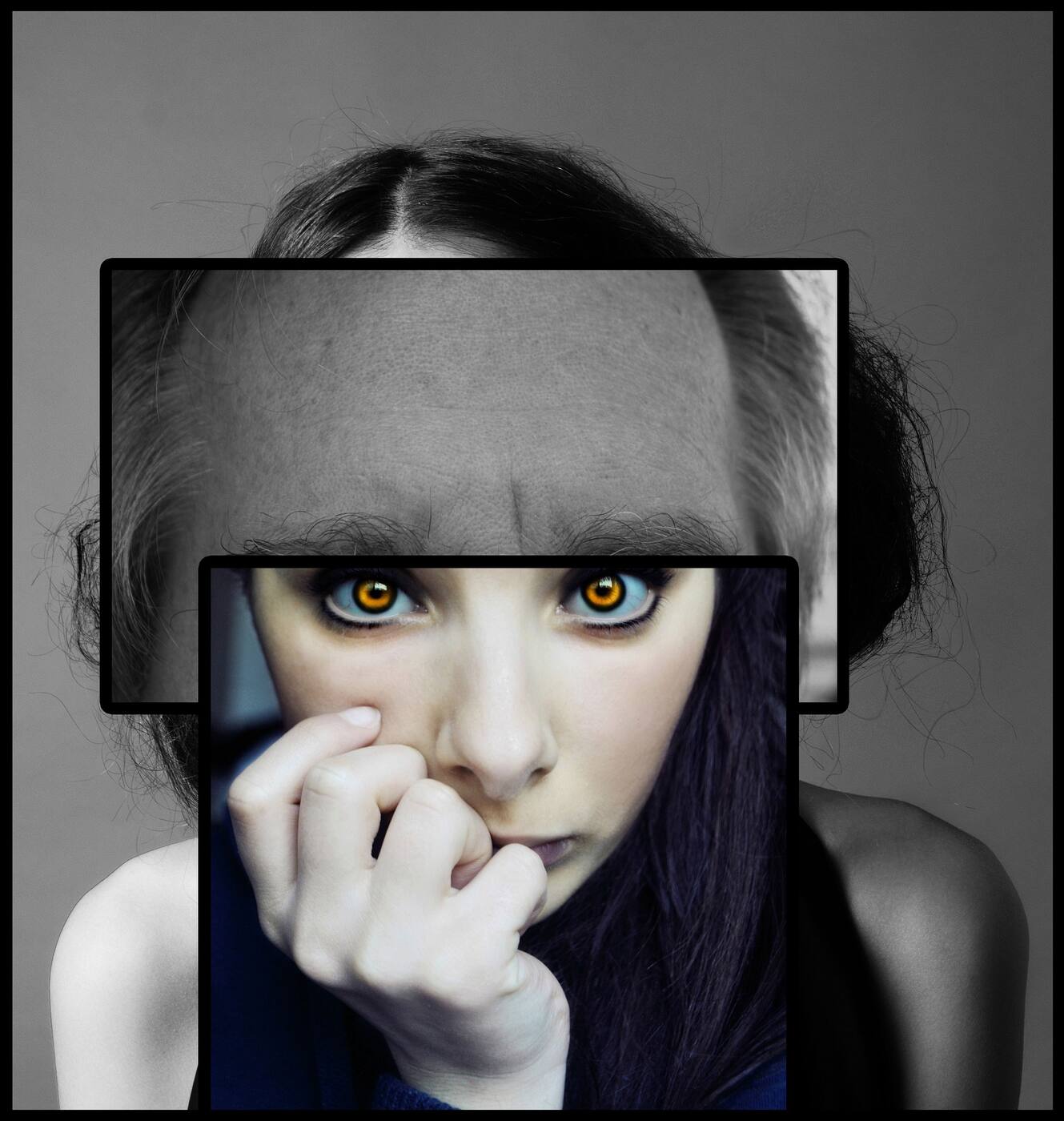
The colleague who never speaks up in meetings. The friend who always finds a reason to skip the party. The classmate who eats lunch alone every day, apparently by choice. It's tempting to read all of this as disinterest, or aloofness, or someone who simply prefers their own company. Often, the truth is closer to the opposite: an exhausting, constant internal monitoring of how they're coming across, running so loud in the background that showing up at all takes real effort most people never see.
This is Social Anxiety Disorder — not shyness, and not a preference for solitude, but an intense, persistent fear of being watched, judged, or embarrassed severe enough that people often restructure their entire lives around avoiding it. It's the third most common mental health condition worldwide, and one of the least talked about.
"Social anxiety is a hefty burden not just on individuals, but society as a whole — and the trendlines are all going in the wrong direction."
What Social Anxiety Disorder Actually Is
The defining feature of Social Anxiety Disorder (also called social phobia) is a persistent fear of negative evaluation by others — being scrutinised, judged, or humiliated. This fear is disproportionate to any actual social threat, and it typically triggers real physical anxiety symptoms: a racing heart, blushing, sweating, trembling, or nausea, often well before a social situation even begins.
🔬 Shyness vs. social anxiety disorder
Shyness is a personality trait — a mild, situational discomfort in social settings that doesn't typically interfere with daily life. Social Anxiety Disorder is a diagnosable condition where the fear is severe enough to cause real distress or to make someone avoid work, school, or relationship opportunities entirely. The difference is in the intensity and the impact, not simply in degree of introversion.
How common is it, really?
Social anxiety disorder is considered the third most common mental health condition worldwide, with lifetime prevalence estimates ranging from roughly 7% to well over 12% depending on the population studied. Despite this, it remains significantly under-diagnosed — many people live with it for years, quietly assuming their discomfort is simply a permanent personality trait rather than a treatable condition.
Common Symptoms
Core symptoms of social anxiety disorder:
- Intense fear of situations where you might be observed or evaluated by others
- Fear that you will act in a way that causes embarrassment or humiliation
- Physical symptoms: blushing, sweating, trembling, rapid heartbeat, nausea
- Avoidance of social situations, or enduring them with significant distress
- Excessive worry before an event, sometimes for days or weeks in advance
- Intense self-criticism and replaying of social interactions afterward
- In children, symptoms may appear as crying, tantrums, or clinging in social settings
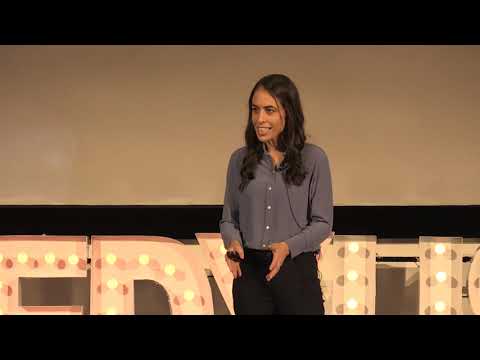
Watch: Social Anxiety in the Modern World — Dr. Fallon Goodman, TEDxUSF
What Causes Social Anxiety Disorder?
Genetics and temperament
Social anxiety tends to run in families, and children with an inherently more inhibited, cautious temperament are statistically more likely to develop it.
Learned experiences
A history of bullying, harsh criticism, or humiliating social experiences — particularly during childhood or adolescence — can meaningfully shape social anxiety's development, similar to the patterns of social pressure young people navigate today.
Brain function
Heightened activity in the amygdala, the brain's fear-processing centre, has been associated with social anxiety, contributing to an exaggerated threat response to social situations that pose no actual danger.
Rising rates, especially among young people
Recent data suggests social anxiety is becoming more prevalent, particularly among younger generations — a trend researchers link partly to social media, which creates near-constant opportunities for social comparison and public judgment. This connects closely to what we've written about regarding social media's broader effect on mental health.
Social Anxiety Disorder Is Treatable
Cognitive Behavioural Therapy
CBT is the most well-evidenced treatment, helping people identify and challenge the distorted beliefs driving the fear ("everyone is judging me"), while gradually and safely practicing the social situations being avoided — a process called exposure therapy.
Medication
SSRIs and certain other medications can meaningfully reduce social anxiety symptoms, particularly for more severe presentations, and are often used alongside therapy rather than as a standalone treatment.
Small, gradual steps
Recovery rarely means suddenly becoming comfortable in every social setting. It usually looks like gradually expanding your comfort zone — starting with lower-stakes interactions and building from there, rather than forcing yourself into the most feared scenario first. This mirrors the same small, sustainable approach we've written about regarding building any difficult new habit gradually.
⚠️ When social anxiety becomes isolating
If social anxiety has led to significant isolation or is affecting your ability to work or study, please reach out. MANI Nigeria: 08111909909 · She Writes Woman: 0800-800-2000.
When to Seek Professional Help
If fear of social or performance situations has persisted for six months or more, and is causing you to avoid meaningful opportunities or significant distress, it's worth speaking with a therapist. Social anxiety responds well to treatment, and most people see meaningful improvement with consistent therapy.
You Are Not Too Much, and You Are Not Too Little
Social anxiety convinces you that everyone is watching and judging. In reality, most people are far too preoccupied with their own lives to notice the things you fear they will. That gap between fear and reality is exactly where recovery lives.
Explore Wellness & Self-Care →