PTSD: Symptoms, Causes and Treatment
Trauma doesn't just live in memory. It reshapes how the body reads danger — and healing is genuinely possible.
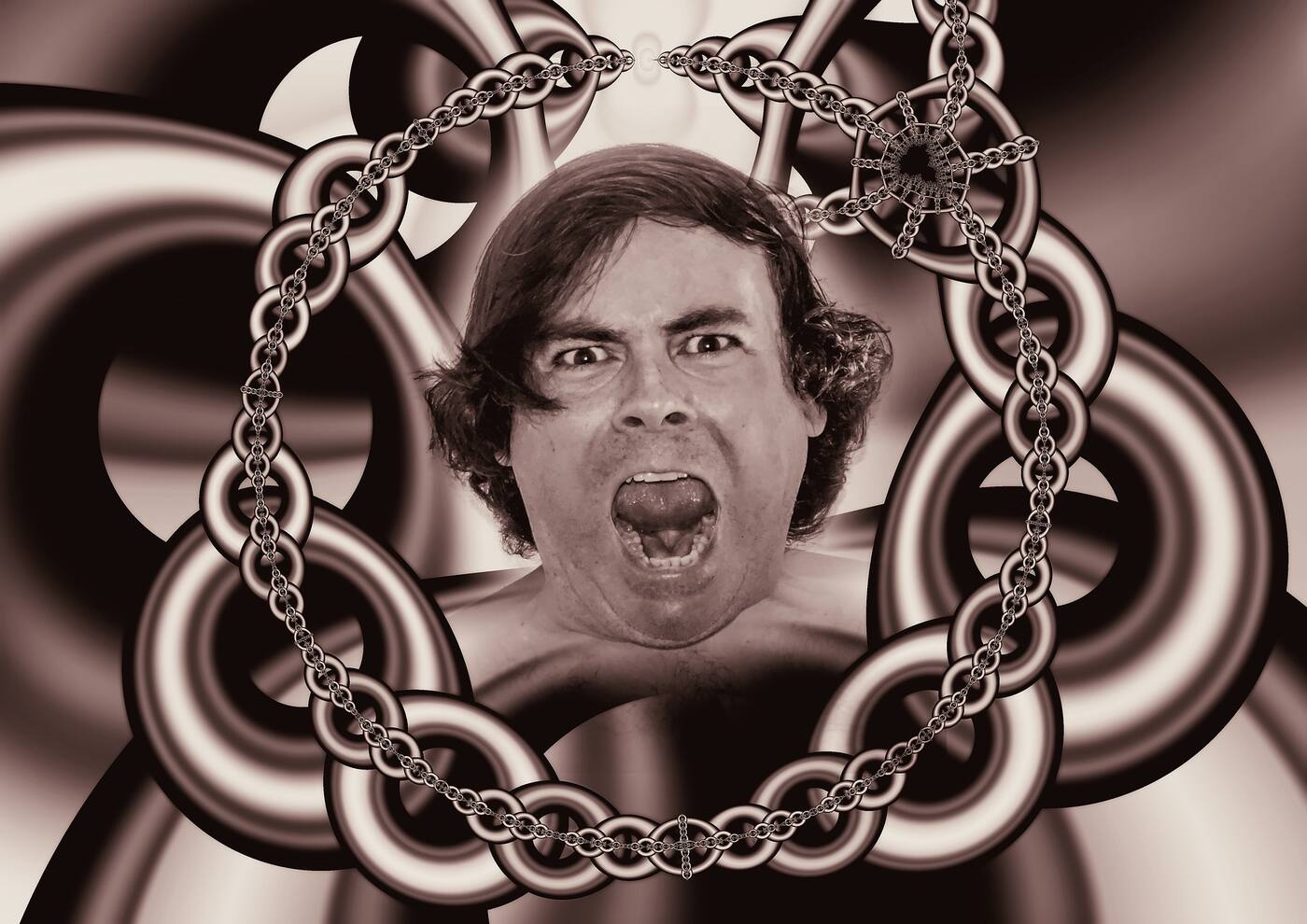
A car backfires, and someone's body reacts before their mind even catches up — heart slamming, hands shaking, halfway to the floor before they consciously register what the sound even was. The danger passed years ago. The body, apparently, never got the memo. This is what living with Post-Traumatic Stress Disorder often looks like from the outside: a reaction that seems wildly out of proportion to whatever just happened, because it isn't actually a reaction to what just happened at all.
PTSD is a real, diagnosable condition that develops after experiencing or witnessing a deeply distressing or life-threatening event — and it is not a sign of weakness, nor does it only affect combat veterans, though that's often the image people default to. It can develop after any event the brain perceives as genuinely dangerous or horrifying: abuse, an accident, an assault, a natural disaster, the sudden loss of someone loved. What follows is a look at what actually happens in the brain and body with PTSD, and what genuinely helps.
"Trauma is any negative life event in which the brain perceives a real sense of danger, horror, and helplessness."
What Happens in the Brain During Trauma
During a traumatic event, the body's stress response goes into overdrive. The amygdala, the brain's alarm system, sends urgent signals preparing the body for danger — the fight-flight-freeze response. In most people, once the danger passes, this response gradually settles. In PTSD, the alarm system essentially gets stuck in the "on" position, continuing to fire in response to reminders of the trauma — or sometimes with no clear trigger at all — long after the actual danger has ended.
🔬 Why PTSD isn't "just" a bad memory
Ordinary memories are processed and filed away with context — you remember it happened, but it doesn't feel like it's happening again. Traumatic memories in PTSD often remain unprocessed and fragmented, which is why flashbacks can feel so viscerally present, as though the danger is happening right now rather than being recalled from the past.
How common is PTSD?
Estimates suggest roughly 6-8% of people will experience PTSD at some point in their lives, though rates vary significantly depending on the type and severity of trauma exposure. In regions affected by conflict, displacement, or widespread violence, rates can be considerably higher, and PTSD often goes unrecognised where mental healthcare access is limited or where cultural stigma discourages people from naming what they've been through.
Common Symptoms
PTSD symptoms generally fall into four categories, and a diagnosis typically requires symptoms from each, persisting for more than a month and significantly affecting daily functioning.
The four symptom categories:
- Intrusive thoughts: flashbacks, nightmares, and distressing memories that surface unbidden
- Avoidance: steering clear of people, places, or situations that serve as reminders of the trauma
- Negative thoughts and mood: persistent guilt, shame, fear, or a distorted sense of blame, along with emotional numbness
- Hyperarousal: being easily startled, constantly on guard, irritable, or having difficulty sleeping and concentrating
Watch: The Psychology of Post-Traumatic Stress Disorder — Joelle Rabow Maletis, TED-Ed
Who Experiences PTSD, and Why It Varies
Not everyone who experiences trauma develops PTSD — a combination of the severity and duration of the trauma, prior mental health, available support, and individual biology all influence risk. Research shows women are statistically more likely to develop PTSD, partly linked to higher rates of sexual abuse and intimate partner violence, while men more commonly experience physical assault or witness death. This connects to patterns we've written about regarding how abusive relationships can leave lasting psychological harm long after the relationship itself ends.
Complex PTSD
When trauma is repeated or prolonged — ongoing childhood abuse, extended domestic violence, or captivity — it can produce a related but distinct pattern sometimes called Complex PTSD, which includes the core PTSD symptoms plus difficulties with emotional regulation, self-perception, and relationships, often connected to what we've written about regarding generational and childhood trauma.
How PTSD Is Diagnosed
A mental health professional assesses PTSD through a clinical interview, looking at the nature of the traumatic exposure and the presence of symptoms across all four categories for at least a month, causing genuine distress or impairment. Because trauma responses can look different across cultures — some presenting more through physical symptoms, others through emotional withdrawal — an experienced, culturally aware clinician makes a meaningful difference in getting an accurate diagnosis.
PTSD Is Treatable
Trauma-focused psychotherapy
Approaches like Cognitive Processing Therapy, Prolonged Exposure Therapy, and EMDR (Eye Movement Desensitization and Reprocessing) have strong evidence specifically for PTSD, helping the brain properly process traumatic memories so they stop intruding with the same intensity.
Medication
Certain antidepressants can help manage PTSD symptoms, particularly when combined with trauma-focused therapy, and a doctor can help determine whether this is appropriate for your situation.
Building safety in the body
Because PTSD involves the nervous system, not just thoughts, many people find genuine relief through practices that calm the body directly — regular movement, breathwork, and a physical environment that genuinely feels safe can meaningfully support the nervous system's ability to settle.
⚠️ If trauma feels unbearable right now
Please reach out immediately. MANI Nigeria: 08111909909 · She Writes Woman: 0800-800-2000. Trauma-focused support exists, and healing is genuinely possible.
When to Seek Professional Help
If it has been more than a month since a distressing event and symptoms like flashbacks, avoidance, or hyperarousal are persisting and affecting your daily life, it's worth speaking with a trauma-informed therapist. Early treatment tends to lead to better outcomes, though healing is possible at any point, even years after the original trauma.
What Happened to You Was Real. So Is Your Healing.
PTSD is not a character flaw or a sign you failed to "get over" something. It is your nervous system's honest, if painful, response to something genuinely threatening. With the right support, that response can heal.
Explore Wellness & Self-Care →