Bipolar Disorder: Symptoms, Causes and Treatment
A life split between two extremes — elation and depression. Understanding the pattern is the first step toward managing it well.
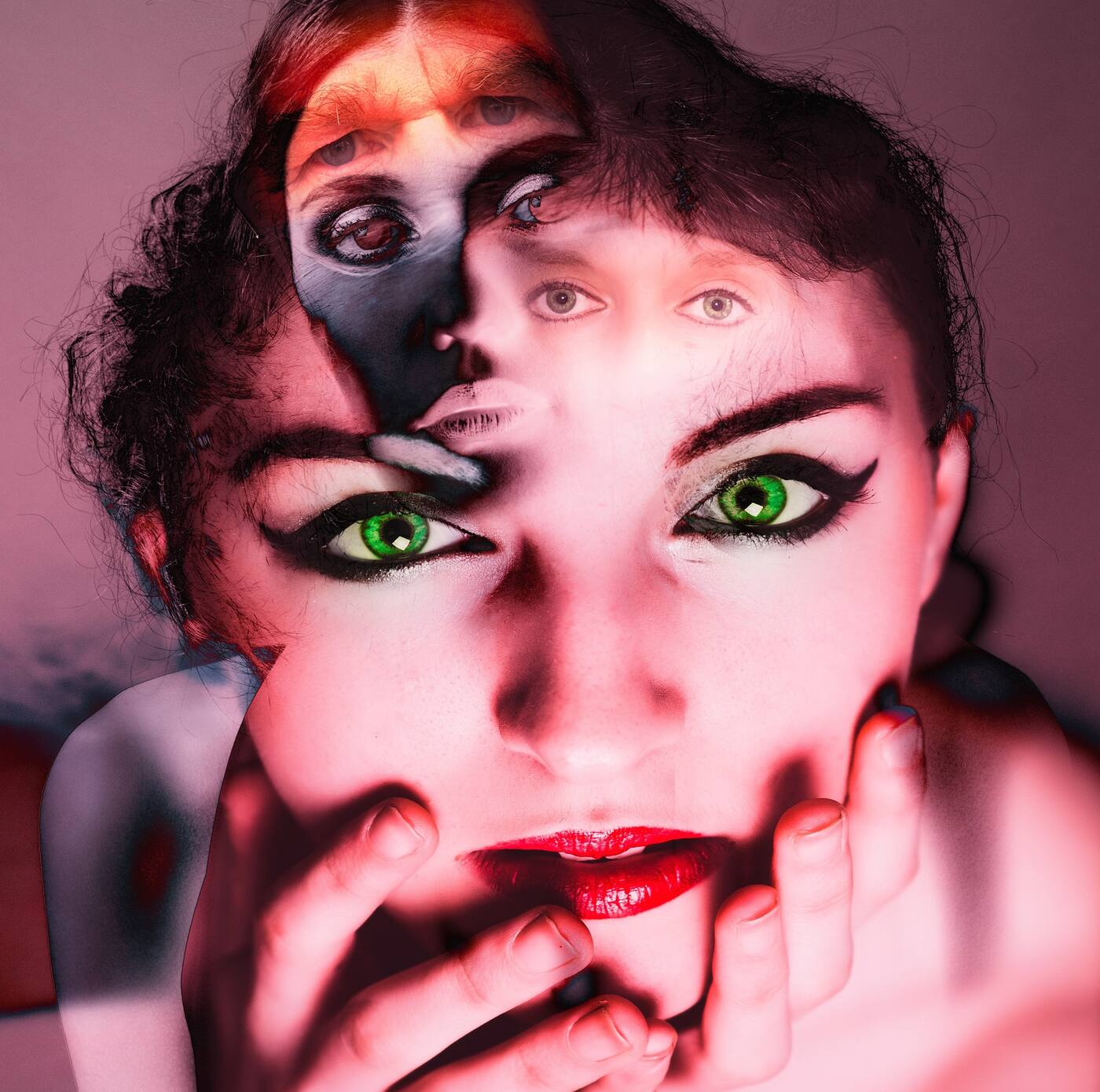
The word bipolar means "two extremes." For the millions of people experiencing bipolar disorder around the world, life is genuinely split between two very different realities — periods of elevated, energised mood called mania or hypomania, and periods of depression that can look identical to major depressive disorder. Between these episodes, many people function completely normally, which is part of why bipolar disorder is so often misunderstood, misdiagnosed, or dismissed as simple mood swings.
Worldwide, roughly 1-3% of adults experience the broad range of symptoms indicating bipolar disorder. Most people with the condition are functional, contributing members of society whose lives, choices, and relationships are not defined by their diagnosis — but for many, the consequences without proper treatment can be serious.
"The word bipolar means 'two extremes.' For the many millions experiencing bipolar disorder around the world, life is split between two different realities: elation and depression."
What Bipolar Disorder Actually Is
Bipolar disorder involves distinct episodes of mania (or the milder hypomania) and depression, each lasting days to weeks, separated by periods of stable mood. This is fundamentally different from ordinary mood fluctuation — the shifts are more extreme, last longer, and significantly affect functioning, sleep, judgment, and relationships during an episode.
🔬 Bipolar I vs. Bipolar II
Bipolar I involves at least one full manic episode, often severe enough to require hospitalisation, typically alongside depressive episodes. Bipolar II involves hypomania — a less severe, shorter version of mania — alongside depressive episodes that are often more prominent and longer-lasting than in Bipolar I. Neither is "more real" than the other; they represent different patterns of the same underlying condition.
Recognising a Manic or Hypomanic Episode
Signs of mania or hypomania:
- Abnormally elevated, expansive, or irritable mood
- Decreased need for sleep without feeling tired
- Rapid, pressured speech and racing thoughts
- Inflated self-esteem or grandiosity
- Increased goal-directed activity or restlessness
- Impulsive or risky behaviour — spending, decisions, or relationships made without normal judgment
- Easily distracted, difficulty focusing on one task
Recognising a Depressive Episode
The depressive episodes in bipolar disorder share the same core symptoms as major depressive disorder — persistent low mood, loss of interest, fatigue, difficulty concentrating, and in severe cases, thoughts of death or suicide. This is often the phase where people actually seek help, since depression is more commonly recognised and named than mania, which can sometimes feel good in the moment despite its risks.
Watch: What Is Bipolar Disorder? — Helen M. Farrell, TED-Ed
What Causes Bipolar Disorder?
Researchers point to the brain's intricate wiring as a key factor. Healthy brains continuously prune unused or faulty neural connections, keeping communication pathways efficient. Using brain imaging, scientists have found that this pruning process is disrupted in people with bipolar disorder, creating neural networks that behave less predictably. Genetics play a substantial role too — having a close relative with bipolar disorder meaningfully increases risk, though environmental stressors, disrupted sleep patterns, and major life changes can trigger or worsen episodes in people already predisposed.
Bipolar Disorder Is Manageable
Medication
Mood stabilisers are the cornerstone of bipolar treatment, often alongside antipsychotic medication or antidepressants depending on the specific presentation. Consistent, long-term medication management, guided by a psychiatrist, is central to keeping episodes controlled.
Psychotherapy
Therapy — particularly approaches focused on recognising early warning signs of an episode, maintaining routine, and managing the relationship and work impact of the condition — significantly improves outcomes alongside medication.
Routine and stability
Consistent sleep, daily structure, and stress management are not optional extras for bipolar disorder — they are genuinely protective. Disrupted sleep in particular is one of the most common triggers for both manic and depressive episodes, which connects closely to what we've written about regarding why sleep and mental health are so deeply intertwined, and mirrors the same value of consistent routine we've discussed regarding protecting your baseline wellbeing at work.
⚠️ During a severe episode
If you or someone you know is experiencing a severe manic episode with risky behaviour, or a depressive episode with thoughts of suicide, please seek help immediately. MANI Nigeria: 08111909909 · She Writes Woman: 0800-800-2000.
When to Seek Professional Help
If you've experienced distinct periods of unusually elevated mood or energy, alongside separate periods of depression, it's worth seeking an evaluation from a psychiatrist. Bipolar disorder is frequently misdiagnosed as depression alone when the manic or hypomanic episodes go unmentioned or unrecognised, which is part of why an accurate, complete history matters so much for getting the right treatment.
Stability Is Possible, and It Changes Everything
Bipolar disorder is a lifelong condition, but with consistent treatment, most people achieve real, lasting stability — building careers, relationships, and lives that are not defined by the extremes of the illness.
Explore Wellness & Self-Care →