Insomnia Disorder: Symptoms, Causes and Treatment
More than an occasional bad night. A diagnosable, genuinely treatable condition — not something you simply have to live with.

You do the math three times: if I fall asleep in the next ten minutes, that's still six hours. Ten minutes pass. You do the math again. This isn't a bad night before a big meeting or one restless stretch after too much coffee — it's most nights, for months, and the exhaustion has stopped feeling like a phase and started feeling like your baseline.
Insomnia Disorder is the name for that shift: chronic difficulty falling asleep, staying asleep, or waking too early, occurring at least three nights a week for three months or longer, and genuinely affecting how you function the next day.
It's one of the most common sleep disorders — affecting an estimated 10-15% of adults chronically, and up to a third of people occasionally. This page focuses specifically on insomnia as its own diagnosable condition; if you're looking for the broader picture of how sleep and mental health interact generally, our guide on sleep and mental health covers that ground. Here, we're going deeper into insomnia itself: what causes it, how it's diagnosed, and what treatment actually looks like.
"Insomnia isn't just about not getting enough sleep. It's about the sleep you do get not accomplishing what sleep is supposed to accomplish."
What Insomnia Disorder Actually Is
Clinically, insomnia is classified by the specific difficulty involved: trouble falling asleep (sleep-onset insomnia), trouble staying asleep with frequent waking (sleep-maintenance insomnia), waking too early and being unable to fall back asleep, or some combination of all three. What separates Insomnia Disorder from an occasional bad night is duration, frequency, and impact — genuine insomnia disrupts daytime functioning through fatigue, irritability, and difficulty concentrating, not just the discomfort of a tired morning.
🔬 Acute vs. chronic insomnia
Acute insomnia is short-term, usually tied to an identifiable stressor, and resolves once the stressor passes or with minor sleep hygiene changes. Chronic Insomnia Disorder persists for three months or more, often outlasting whatever originally triggered it — because the anxiety and habits that built up around sleeplessness itself become a separate, self-sustaining problem.
Common Symptoms
Signs of insomnia disorder:
- Difficulty falling asleep despite feeling tired
- Frequent waking during the night with trouble returning to sleep
- Waking up too early and being unable to fall back asleep
- Sleep that doesn't feel restorative, even after adequate hours
- Daytime fatigue, irritability, or difficulty concentrating
- Anxiety or dread specifically about sleep itself, especially near bedtime
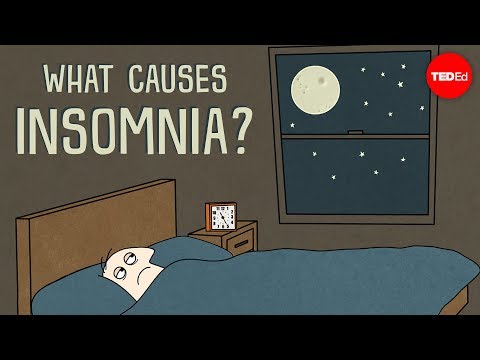
Watch: What Causes Insomnia? — Dan Kwartler, TED-Ed
What Causes Insomnia?
Stress and anxiety
A racing, worried mind is one of the most common drivers of insomnia — the same physiological arousal that makes anxiety disorders exhausting also makes falling asleep genuinely difficult.
Learned sleep anxiety
Ironically, worrying about not sleeping often becomes the biggest obstacle to actually sleeping — the bed itself can become associated with frustration and alertness rather than rest.
Underlying mental health conditions
Insomnia frequently co-occurs with depression and anxiety disorders, sometimes as a symptom, sometimes as a contributing cause — the relationship often runs in both directions.
Poor sleep habits and environment
Irregular sleep schedules, screens before bed, and an unsuitable sleep environment can all contribute to or worsen chronic insomnia over time.
Insomnia Is Treatable
Cognitive Behavioural Therapy for Insomnia (CBT-I)
CBT-I is considered the gold-standard treatment for chronic insomnia, often more effective than medication in the long run. It works by addressing the thoughts and habits sustaining the insomnia — including a technique called sleep restriction, which temporarily limits time in bed to rebuild the strong association between bed and actual sleep.
Medication
Sleep medications can help in the short term, particularly for acute insomnia, but are generally not recommended as a long-term solution due to dependency risk and diminishing effectiveness over time. A doctor can help determine what's appropriate for your specific situation.
Addressing the environment
A genuinely calming, well-suited sleep environment supports treatment — our guide on creating a home environment that supports rest covers practical, low-cost changes that make a real difference.
⚠️ When sleep loss becomes severe
Chronic sleep deprivation can worsen mental health significantly. If insomnia is accompanied by thoughts of self-harm or severe distress, please reach out immediately. MANI Nigeria: 08111909909 · She Writes Woman: 0800-800-2000.
When to Seek Professional Help
If difficulty sleeping has persisted three nights a week or more for three months or longer, and is affecting your daytime functioning, it's worth speaking with a doctor or a therapist trained in CBT-I specifically. Chronic insomnia is genuinely treatable, and it's not something you have to simply learn to live with.
Sleep Is Not Something You Have to Force. It's Something You Can Relearn.
Chronic insomnia can make sleep feel like an impossible task you've failed at for years. With the right treatment, most people genuinely do recover a normal, restorative relationship with sleep again.
Explore Wellness & Self-Care →