7 Ways Social Media is Affecting Your Mental Health
We scroll for connection but often feel more alone. Here is what social media is actually doing to your mind — and what to do about it.
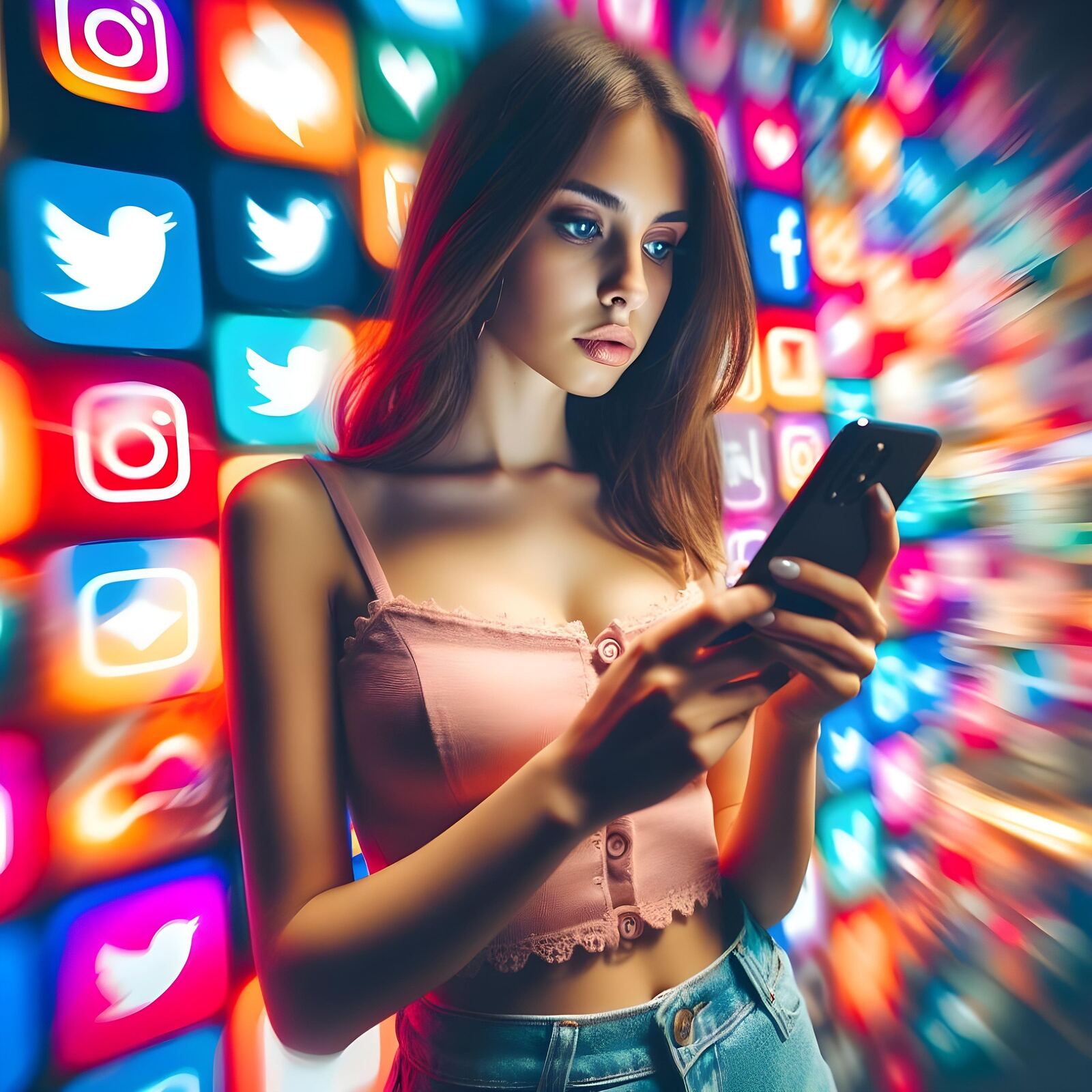
Society, Social Media & Mental Health
You open the app for two minutes and look up forty minutes later. You see someone's holiday photos and feel a quiet, irrational guilt about your own life. You post something and spend the next hour checking how many people have liked it. You know, somewhere in the back of your mind, that none of this is good for you. And yet here you are. Here we all are.
Social media is not evil. It connects people across continents. It has given voice to movements that changed history. It has helped isolated people find community. But the design of most social media platforms — built specifically to maximise engagement and therefore to exploit the deepest vulnerabilities of human psychology — has made it one of the most significant emerging threats to global mental health. Here is how.
"Social media was designed to keep you scrolling. It was not designed to keep you well. That distinction matters enormously."
Way 1 — It Fuels Constant Social Comparison
You are comparing your reality to other people's highlights
Social media presents a curated, filtered, carefully selected version of other people's lives — their best moments, best angles, best achievements. No one posts about the argument they had this morning, the job application that was rejected, the body they actually have rather than the one they present. When you scroll through this parade of highlights, your brain — which cannot always distinguish curation from reality — begins to measure your ordinary life against other people's extraordinary performances. The inevitable result is a chronic sense of inadequacy.
Way 2 — It Disrupts Sleep
Blue light and stimulation are the enemies of rest
The blue light emitted by phone screens suppresses melatonin production — the hormone that regulates sleep. Using social media in the hour before bed keeps your brain alert and engaged at precisely the moment it needs to be winding down. Given that poor sleep is both a symptom and a cause of anxiety and depression, this habit — which billions of people practise nightly — is one of the most significant contributors to deteriorating mental health globally.
Way 3 — It Creates an Anxiety Loop Around Validation
Likes become a measure of worth
The dopamine hit that comes from receiving likes, comments and shares is neurologically similar to other reward-seeking behaviours. Over time, many people begin — unconsciously — to tie their sense of worth to the performance of their social media content. A post that does not perform becomes evidence of being unlikeable or uninteresting. This validation anxiety deepens the experience of loneliness rather than relieving it — because the connection being sought is not genuine connection but metric-based approval.
Way 4 — It Exposes You to Relentless Negative News
Your nervous system was not built for this volume of crisis
Social media algorithms prioritise content that generates strong emotional reactions — and anger and fear generate the strongest reactions of all. This means your feed is systematically weighted toward upsetting, alarming and outrage-inducing content. Consuming this at the volume and frequency that social media enables keeps your threat-response system chronically activated — contributing directly to generalised anxiety, helplessness and what researchers call "doom scrolling depression."
Way 5 — It Replaces Deep Connection with Shallow Interaction
A like is not the same as being seen
Human beings are wired for deep, reciprocal, attentive connection — the kind where someone looks you in the eye, listens to you fully, and responds to the real you rather than a performance of you. Social media offers something that mimics connection — reactions, comments, DMs — but does not satisfy the underlying need. This is why heavy social media users often report feeling more lonely, not less, despite being constantly "connected."
Way 6 — It Is Particularly Damaging for Young People
Developing identities are especially vulnerable
For teenagers and young adults — whose identities are still forming, whose self-worth is still fragile, and whose brains are still developing the capacity for emotional regulation — the effects of social media are amplified. Youth mental health has deteriorated significantly in parallel with the rise of social media, and this correlation has now been documented in enough research to constitute a serious public health concern.
Way 7 — It Makes It Harder to Be Present
Presence is where life actually happens
When you are at dinner but checking your phone, at a concert but filming it, in a conversation but thinking about what to post — you are not actually there. Social media has trained us to live slightly outside our own lives, as perpetual documenters of experience rather than participants in it. Over time, this habit erodes the capacity for presence — and presence is where genuine joy, connection and meaning are found.
How to Protect Your Mental Health Online
Practical digital wellbeing strategies:
- Set a daily screen time limit — most phones have this built in and it works
- No phones for the first 30 minutes of the morning — protect your mental state before the day begins
- No social media in the hour before bed — protect your sleep
- Unfollow accounts that consistently make you feel inadequate — you are allowed to curate your feed
- Replace scrolling with reaching out directly — send a voice note instead of watching someone's stories
- Take one full day off social media per week — notice how you feel by Sunday evening
Social media is a tool. You decide how it uses you — or how you use it.
Awareness is the beginning. The platforms are designed to be used without thought. Using them with intention — knowing what they do to your mind, choosing how much access you give them — is one of the most important acts of mental health self-care in the modern world.
Explore Society & Mental Health →